
Understanding DMLT: A Complete Career Guide for Medical Laboratory Technology
Full form of DMLT is Diploma in Medical Laboratory Technology, stands as one of Indias most rewarding paramedical courses. Therefore, if youre passionate about healthcare and diagnostics, this comprehensive guide will walk you through everything you need to know. Moreover, pursuing DMLT opens doors to stable employment, competitive salaries, and the profound satisfaction of contributing to patient care.
The healthcare industry demands skilled professionals who understand laboratory diagnostics. Consequently, DMLT graduates find themselves in high demand across hospitals, diagnostic centers, research facilities, and blood banks. Hence, this career path offers both immediate job opportunities and long-term professional growth.
What Exactly Is DMLT? The Full Form Explained
DMLT stands for Diploma in Medical Laboratory Technology. This two-year diploma program trains students in diagnostic laboratory procedures, clinical testing, and medical diagnostics. Therefore, its a specialized course designed for those seeking quick entry into the healthcare workforce while gaining practical, job-ready skills.
During the DMLT program, students learn to collect, analyze, and interpret laboratory data. They perform various diagnostic tests on blood, urine, tissue samples, and body fluids. Additionally, they work with sophisticated laboratory equipment under strict quality control standards. This hands-on training ensures graduates are prepared for real-world clinical environments from day one.
DMLT Eligibility Criteria: Do You Qualify?
Before enrolling in a DMLT course, you must meet specific eligibility requirements. Most importantly, these criteria ensure that students have the foundational knowledge necessary for success.
Essential Eligibility Requirements:
Educational Qualification: You must have successfully completed your 10+2 (Class 12) or equivalent examination from a recognized board.
Science Stream: Physics, Chemistry, and Biology (or Mathematics) are mandatory subjects during your 10+2.
Minimum Marks: Generally, you need 45-50% aggregate marks in your qualifying examination. However, this varies between institutions. Some colleges maintain lower cutoffs, while others demand higher scores.
Age Requirement: Theres no strict age limit for DMLT admission. Students as young as 17 years can apply after completing their 12th standard.
Special Provisions: SC/ST candidates sometimes get relaxation in marks, typically around 5% lower than general category cutoffs. Thus, its worth checking with your institution.
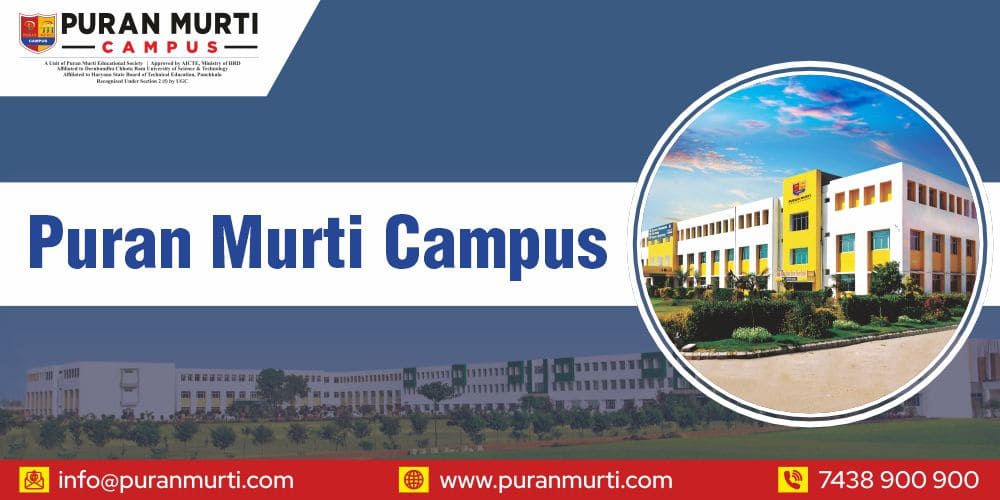
Institutions like Puran Murti College maintain transparent eligibility criteria and often provide bridge programs for students who need additional support. Therefore, dont hesitate to contact college counselors if youre unsure about your eligibility.
DMLT Course Structure: What Youll Learn
The DMLT curriculum spans 3 years, divided into six semesters. This structure balances theoretical knowledge with extensive practical training. Consequently, graduates emerge as competent laboratory professionals ready for immediate employment.
Core Subjects Covered:
The curriculum includes human anatomy, biochemistry, microbiology, hematology, immunology, pathology, clinical chemistry, histotechnology, and blood banking. Furthermore, medical ethics and laboratory management form crucial components. Each subject combines classroom instruction with extensive hands-on laboratory work.
Practical Training Components:
Heres what sets DMLT apart from theoretical courses. Students spend significant time in actual laboratory settings. They operate diagnostic equipment, perform blood tests, conduct microbial analysis, and maintain quality control standards. Additionally, most programs include six-month internships in hospitals or diagnostic centers. This real-world experience proves invaluable when entering the job market.
Semester Breakdown:
First year focuses on foundational subjects like anatomy, biochemistry, and basic microbiology. Second year introduces advanced topics including clinical pathology, advanced hematology, and specialized laboratory techniques and so on. Therefore, you gradually build expertise from basic principles to advanced diagnostic procedures.
DMLT vs BMLT: Which Path Should You Choose?
Confusion often arises between DMLT and BMLT. Let me clarify the key differences to help you decide.
DMLT (Diploma) is a two/ three-year program offering practical, job-ready skills. It focuses on routine diagnostic tests and basic laboratory operations. Consequently, graduates quickly enter the workforce at technician levels. Apply Now
BMLT (Bachelor) is a three-year degree program with more comprehensive theoretical knowledge. Additionally, BMLT covers advanced testing methods, research procedures, and laboratory management. Therefore, BMLT graduates qualify for higher-level positions and supervisory roles.
Comparison at a Glance:
| Aspect | DMLT | BMLT |
|---|---|---|
| Duration | 2/3 years | 3 years + 6 months internship |
| Level | Diploma | Bachelors Degree |
| Starting Salary (figures in INR) | 2-3 LPA | 3-6 LPA |
| Entry Positions | Lab Technician | Lab Technician/Technologist |
| Career Growth | Supervisor roles | Manager/Senior roles |
| Further Studies | BMLT (lateral entry) | M.Sc/Masters programs |
Which Should You Choose? If you want quick employment and practical skills, DMLT is ideal. However, if you envision long-term career advancement and higher salaries, BMLT offers better prospects. Importantly, many DMLT graduates later pursue BMLT through lateral entry, so neither choice closes doors.
DMLT Admission Process: Step-by-Step Guide

Getting admission to a DMLT program varies slightly between institutions. Nevertheless, heres the general process:
Step 1: Check Eligibility First and foremost, verify that you meet the basic requirements mentioned earlier.
Step 2: Collect Application Form Download the form from the colleges official website or collect it in person. Colleges like Puran Murti College provide both online and offline application options.
Step 3: Submit Application Submit your completed form with required documents. These typically include your 10+2 marksheet, birth certificate, and identity proof.
Step 4: Entrance Examination (if applicable) Some universities conduct entrance exams or merit-based selection. The Common Entrance Test (CET) is popular in several states. Consequently, youll need to prepare for the exam if your chosen college requires it.
Step 5: Merit List and Counselling After exam results, colleges publish merit lists. Selected candidates attend counselling sessions to finalize admission and seat allocation.
Step 6: Fee Payment and Registration Finally, pay your fees and complete registration to secure your seat.
Most colleges offer rolling admissions, meaning they accept applications throughout the year. Therefore, apply early to ensure your spot. Apply Now
DMLT Career Opportunities: Your Professional Journey Awaits
One of DMLTs greatest strengths is its diverse career paths. Consequently, graduates find employment across numerous healthcare settings.
Primary Job Roles for DMLT Graduates:
Medical Laboratory Technician remains the most common position. These professionals perform routine diagnostic tests in hospitals and clinics daily. Theyre responsible for sample collection, testing, and accurate result reporting.
Blood Bank Technician specializes in blood collection, typing, and blood product preparation. This role is critical in transfusion services and blood banks across India.
Pathology Technician assists pathologists with tissue analysis and disease diagnosis. They perform procedures like biopsies and microscopic examinations.
Research Assistant positions exist in pharmaceutical companies and research institutions. These professionals support scientists in drug development and medical research.
Quality Assurance Officer ensures laboratory tests meet strict quality standards. They maintain equipment, calibrate instruments, and follow established protocols.
Phlebotomist specializes in blood collection from patients. This role is crucial in diagnostic centers and hospitals. Apply Now
Employment Settings:
DMLT graduates work in hospitals, diagnostic centers, blood banks, pharmaceutical companies, research laboratories, and public health departments. Furthermore, experienced professionals can become lab supervisors or managers. Hence, career progression is quite possible with the right experience and additional qualifications.
DMLT Salary: What Can You Earn?
Understanding salary prospects helps in career planning. Importantly, DMLT salaries vary based on experience, location, and employer type.
Salary by Employer Type (figures in INR):
| Employer Type | Starting Salary | After 5 Years |
|---|---|---|
| Private Hospitals | 15,000- 25,000 | 30,000-45,000 |
| Government Hospitals | 25,000-40,000 | 40,000-60,000 |
| Diagnostic Centers | 18,000-28,000 | 35,000-50,000 |
| Blood Banks | 15,000-22,000 | 28,000-40,000 |
| Research Labs | 20,000-35,000 | 45,000-70,000 |
Many institutions, including Puran Murti College, provide placement assistance ensuring graduates get competitive offers. Apply Now
Why Choose DMLT? The Compelling Advantages
Choosing DMLT offers numerous professional and personal benefits. Therefore, lets explore why this course is gaining popularity among students.
Quick Entry into Healthcare: Unlike Bachelors programs, DMLTs two-year duration means you enter the job market faster. Consequently, you start earning and gaining experience sooner.
Practical Skills Development: The course emphasizes hands-on training extensively. Therefore, youre job-ready upon graduation, not just theoretically equipped.
Growing Industry Demand: Healthcare diagnostics continues to expand rapidly in India. Consequently, DMLT professionals enjoy strong job security and abundant opportunities.
Affordable Education: DMLT fees are reasonable, ranging from INR 15,000-1,50,000 annually depending on the institution. Thus, its accessible to students from various economic backgrounds.
International Opportunities: DMLT qualifications are internationally recognized. Therefore, graduates can work in countries like Australia, Canada, UK, and USA, opening global career opportunities.
Specialization Options: After DMLT, you can specialize in areas like microbiology, hematology, molecular diagnostics, or pathology. Hence, your career path remains flexible and customizable.
Personal Fulfillment: Contributing directly to patient diagnosis and treatment provides immense satisfaction. Therefore, youre not just building a career, youre serving society.
Specializations After DMLT: Advance Your Career
DMLT graduates can pursue various specializations, each opening distinct career paths.
Clinical Biochemistry Specialization focuses on chemical analysis of blood and body fluids. Professionals work in hospital biochemistry departments or diagnostic centers. This specialization is particularly lucrative in metropolitan areas.
Hematology Specialization involves blood and blood disorder analysis. Specialists perform blood counts, coagulation studies, and blood group typing. This field is essential in every hospital across India.
Microbiology Specialization emphasizes bacterial, viral, and fungal analysis. Microbiologists work in diagnostic centers identifying infectious diseases. Therefore, this specialization is increasingly important post-COVID.
Molecular Diagnostics Specialization represents the future of laboratory medicine. Professionals perform DNA/RNA analysis and genetic testing. Consequently, this emerging field offers premium salaries and research opportunities.
Histopathology Specialization involves tissue sample analysis under microscopes. Histopathologists work alongside pathologists diagnosing diseases like cancer.
These specializations require additional certification or advanced courses, but they significantly enhance earning potential and career satisfaction.
DMLT at Puran Murti College: Excellence in Education
Puran Murti College has established itself as a premier institution for DMLT training. Consequently, students benefit from experienced faculty, modern laboratory facilities, and comprehensive practical training.
The college maintains industry-standard laboratories equipped with advanced diagnostic equipment. Therefore, students gain exposure to the latest technology used in professional settings. Additionally, Puran Murti Colleges placement record is impressive, with graduates securing positions in leading hospitals and diagnostic centers. Apply Now
Faculty members bring years of field experience, ensuring theoretical knowledge connects to practical applications. Moreover, the college emphasizes ethical practices and patient safety throughout the curriculum. Therefore, Puran Murti College graduates are highly sought after by employers.
The institution also provides personality development and soft skills training. Consequently, graduates are not just technically competent but also professional communicators. Internship programs at Puran Murti College are conducted in affiliated hospitals, providing authentic healthcare environments for student training.

Frequently Asked Questions About DMLT
Q: Can I pursue DMLT after completing my 10th standard?
A: Some colleges offer DMLT programs for 10th pass students, typically requiring 50% marks. However, most programs prefer 10+2 qualified candidates. Check with your specific institution for their requirements.
Q: How many semesters does DMLT have?
A: DMLT is a two-year/ three-year program divided into four/six semesters each.
Q: Is there an age limit for DMLT admission?
A: No strict age limit exists. Generally, students must be at least 17 years old and can be any age after that.
Q: Can I do BMLT after completing DMLT?
A: Absolutely! Many universities offer lateral entry into BMLT programs for DMLT graduates. This allows you to upgrade your qualification while gaining work experience.
Q: Whats the scope for DMLT in India?
A: Scope is excellent and growing. Healthcare expansion, diagnostic centers proliferation, and disease awareness ensure continuous demand for laboratory technicians.
Q: Can DMLT graduates work abroad?
A: Yes! DMLT qualifications are recognized internationally. Graduates work in countries like Australia, Canada, USA, and UK. However, you may need to clear foreign qualification examinations or work for international qualification agencies.
Q: Whats the difference between DMLT and MLT?
A: MLT (Medical Laboratory Technician) is often used interchangeably with DMLT. However, MLT sometimes refers to a Bachelors level qualification, while DMLT specifically denotes the diploma level.
Q: How much does a DMLT course cost?
A: DMLT fees vary between 15,000-1,50,000 annually depending on whether you choose government or private institutions. Puran Murti College offers competitive fees with excellent training quality.
Q: What subjects are most important for DMLT entrance exams?
A: Physics, Chemistry, and Biology are crucial. Focus on topics like cell biology, biochemistry, and microbiology basics for entrance exams.
Q: How many internship hours does DMLT include?
A: Most programs include 6 months of internship, providing approximately 1000-1200 hours of practical hospital training.
Final Thoughts: Start Your DMLT Journey Today
Diploma in Medical Laboratory Technology represents an excellent career choice for students passionate about healthcare and diagnostics. The combination of quick job entry, competitive salaries, and personal fulfillment makes DMLT increasingly popular among Indian students.
Whether you choose to work as a medical laboratory technician, pursue specializations, or eventually upgrade to BMLT, DMLT provides the solid foundation you need. Furthermore, the healthcare industrys continued expansion ensures your skills remain in demand.
Institutions like Puran Murti College understand the importance of quality training and industry-relevant skills. Therefore, they invest in modern facilities, experienced faculty, and comprehensive internship programs. Consequently, graduating from such institutions significantly enhances your employment prospects.
The decision to pursue DMLT is an investment in your future. Youre choosing a career that offers stability, growth, and the profound satisfaction of serving humanity. So take that first step today, explore DMLT programs near you, and begin your journey toward a rewarding healthcare career. Your future patients and the entire healthcare system will thank you for it. Apply Now